
Effective timing design, analysis and verification essential to the development of ADAS

What OEMs Need to Know About Microcontrollers
As the automotive sector accelerates its innovation pace, OEMs increasingly recognize the critical importance of staying aligned with the ongoing digital transformation. Transitioning toward user-focused designs featuring advanced human-machine interfaces (HMI) tailored to meet modern consumer expectations is now essential for maintaining competitiveness. With car manufacturers evolving into technology-driven enterprises, embracing digitalization is no longer optional—it’s a vital strategy to avoid falling behind. At the same time, managing and reducing costs in these highly complex, computer-centric vehicles becomes an even greater priority.
How can automotive OEMs effectively address the rising costs associated with modern vehicle production? One strategic solution lies in integrating cost-efficient microcontrollers that balance performance with affordability.
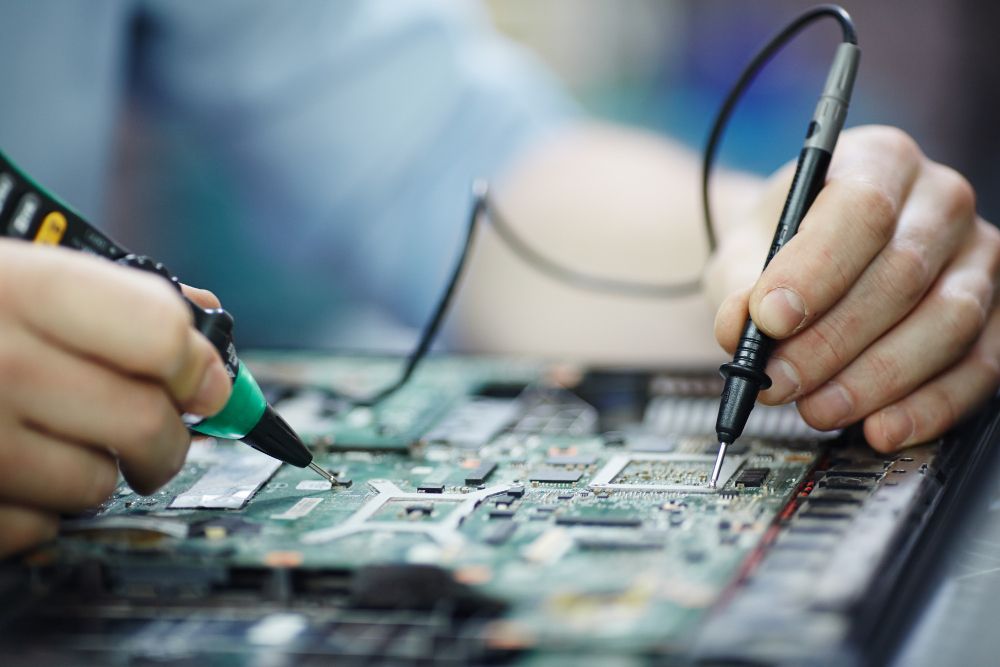
Low-End Microcontrollers as a Cost-Reduction Strategy
Microcontrollers (MCUs) are foundational components powering an expanding array of automotive functionalities—from motor control systems to infotainment units. These MCUs vary widely in capability, spanning from low-end to high-end solutions.
High-end MCUs, such as those offered by Intel or Nvidia, provide straightforward compatibility with HMI frameworks thanks to their support for standardized OpenGL ES-based 3D rendering technologies. However, these high-performance units come with a significant price tag that many OEMs find increasingly difficult to justify.
Conversely, low-end MCUs represent a cost-effective alternative, making them appealing to manufacturers aiming to optimize expenses. However, these lower-tier MCUs present distinct challenges that complicate support from many HMI software solutions, including:
- Limited RAM, flash storage, and video memory
- Reduced CPU processing power
- Potential inability to support dynamic memory allocation
- Use of non-standard operating systems
- Lack of specialized expertise required for proper configuration and system initialization (e.g., LVDS output setup)
Additionally, low-end MCUs frequently utilize proprietary graphics APIs, increasing the complexity of software support due to their specialized requirements. Effective operation demands support for optimized image formats, multiple layered backgrounds and animations running concurrently, and the capability to transfer graphics directly from flash memory to display hardware instead of relying on video memory.
Yoter Up’s Commitment to Overcoming Low-End MCU Challenges
Despite these technical hurdles, Yoter Up is fully equipped to tackle these limitations.
Cypress Amber and Populus: Delivering Integrated Solutions
At a recent automotive HMI event, Yoter Up showcased the robust capabilities of the Cypress Traveo Amber platform, which has recently been incorporated into our supported portfolio.
Cypress Amber, a member of the Traveo MCU family, qualifies as a low-end MCU designed specifically for automotive applications. This highly integrated chip supports automotive bus communications such as CAN and stepper motor controls, including RPM and speedometer needle management, all of which contribute to reducing overall system costs.
The Populus software platform complements this hardware by replacing traditional analog and mechanical instrument clusters with fully digital (LCD) or hybrid configurations combining mechanical components with LCD displays. Populus accelerates development cycles through Windows-based simulation prototyping on standard PCs and offers comprehensive support from initial design to final production deployment. This platform has proven its reliability through successful implementation in existing vehicles using small-scale hardware platforms like Renesas V850.
When Cypress Amber is combined with Populus, the result is a rich, immersive user experience featuring vivid animations, customizable layouts ranging from modern to classic styles, and intelligent switching of display modes during driving—for example, activating a sport mode interface automatically.
Partnering for Digital Transformation
Yoter Up’s deep industry expertise and technological capabilities position us as an ideal partner for supporting next-generation automotive platforms. While many consider low-end MCUs challenging, we actively embrace the associated cost-saving opportunities and also extend our support to other entry-level platforms such as Renesas D1Mx.
Our automotive specialists bring advanced 2D imaging proficiency—including seamless integration of layered content, application of MCU-specific compression algorithms, and direct rendering from flash memory—to elevate vehicle interfaces. Additionally, our extensive system architecture knowledge ensures optimal allocation of memory, flash storage, and bandwidth for superior visual performance. We possess advanced porting experience to minimize memory footprint and optimize RAM usage efficiently.
Maintaining strong partnerships with trusted industry leaders like Renesas, Cypress, and Greenhills enables Yoter Up to continually enhance our service offerings. We look forward to leveraging this expertise to help OEMs overcome their most complex technical and business challenges in the evolving automotive landscape.