
An Effective Agile Approach for Project Estimation

Yoter Up collaborates closely with the Scrum.org community, which delivers high-quality Scrum education and supports development teams and clients in maximizing value through the Scrum framework. Inspired by the Professional Scrum Trainers community, many valuable insights have been gathered on how to foster Scrum maturity growth within organizations. Simultaneously, numerous Scrum practitioners seek clear assessments to understand their current maturity level and ultimate goals. Common questions often include:
“Are we truly practicing Scrum?”
“What additional steps can we take to enhance our Scrum maturity?”
In response, Yoter Up developed a straightforward Scrum Maturity Framework aligned with the latest Scrum Guide. This framework highlights potential pitfalls when mandatory or recommended Scrum practices are omitted. Detailed instructions on applying this framework are provided below.
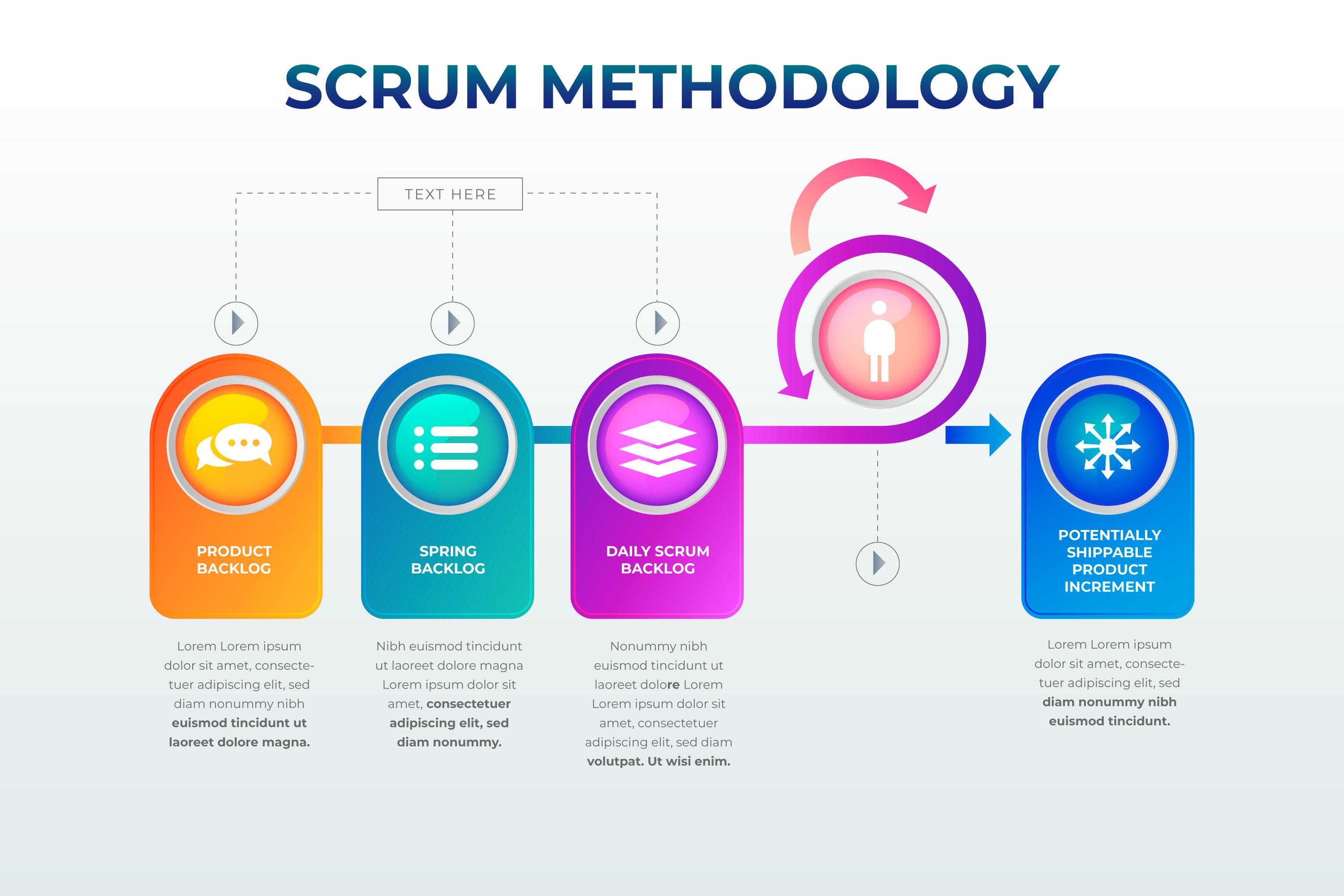
Achieving Sustainable Results
Many Scrum teams experience dissatisfaction with their Scrum implementation and overall software development process. Recurring issues often remain unaddressed due to a lack of accountability. Examples include developers producing low-quality code because of insufficient design time, delayed or misunderstood requirements, and ineffective stakeholder feedback. These symptoms waste time and resources and reduce project value. Scrum alone cannot solve these problems without committed individuals who take ownership of improvement efforts. Sustainable success depends on embracing Scrum values and continuous responsibility.
“Scrum But” vs. “Scrum And” Mindsets
Scrum practitioners usually fall into two groups. The first says, “We use Scrum, but…” followed by complaints and excuses that limit further progress. The second says, “We use Scrum, and…” followed by achievements and positive developments. The latter mindset drives incremental improvements and organizational impediment removal, leading to sustainable Scrum adoption. Every small success acts as an unlockable achievement that encourages repeated positive behavior across teams and departments.
One community expert describes being “Scrum” as continuously adapting processes based on empirical evidence, progressing toward the ideal state described in the Scrum Guide. Transparency increases through ongoing inspection and adaptation of key artifacts and metrics. However, when inspection, adaptation, and improvement cease—allowing command-and-control methods to re-emerge—Scrum effectively stops.
Scaling and Growing Scrum
Scrum is inherently scalable. Many perceive the Scrum Guide as a fixed set of rules rather than a dynamic tool to optimize product value, enhance transparency, detect variances, and improve predictability. For example, teams initially using Scrum only in development can expand it to integrate testing within the same sprint, yielding even greater benefits.
Scrum Maturity Framework Overview
Yoter Up offers a free Scrum Maturity Assessment to help Scrum practitioners elevate Scrum within their teams. Key features of the assessment:
- Full alignment with the latest Scrum Guide version
- Evaluation of core Scrum values: Focus, Courage, Openness, Commitment, Respect
- Identification of risks from partially adopted Scrum practices
The assessment aims to assist Scrum Masters and teams in advancing toward higher Scrum maturity.
How to Use the Scrum Maturity Assessment
1. Download the assessment file.
2. On the Roles tab, evaluate Scrum roles: Product Owner, Development Team, Scrum Master. Each rule is supported by five recommended practices. Mark each as:
- TRUE (regularly used),
- NOT SURE (irregular or unclear),
- FALSE (not used).
3. Review total scores on the Summary tab.
4. Repeat the process on the Events tab, assessing Sprint, Sprint Planning, Daily Scrum, Sprint Review, and Sprint Retrospective.
5. Assess Scrum Artifacts on the Artifacts tab: Product Backlog, Sprint Backlog, Increment.
6. Update scores only when confident practices are in place (TRUE).
7. Use the form as a personalized Scrum Guide; provide honest assessments.
8. Track progress on the Scrum Progress table in the Summary tab.
9. Use the “Risks When Not TRUE” column to understand potential project risks linked to missing practices. These risks are drawn from real-world experience.
10. Reassess progress at least quarterly to monitor Scrum maturity growth.
11. Use the assessment results as evidence of continuous improvement for stakeholders.
Yoter Up encourages organizations to embrace this tool to foster transparency, continuous improvement, and empirical Scrum adoption.