
Sprint Goal Patterns for Building Great Teams

At Yoter Up, we recognize that clients frequently seek fast project estimates with minimal effort on detailed requirement documentation. Rough estimates are common not only in software development but also in everyday requests, such as custom furniture orders, home renovations, or vehicle repairs. When customers ask, “How much will it cost?” they often choose providers who can deliver prompt and reliable approximations.
The accuracy of rough estimates depends on several factors, including the team’s expertise and experience. Although detailed specifications might seem to improve accuracy, evolving requirements often make such detailed upfront documentation impractical. Yoter Up recommends practical approaches to improve the reliability of initial software development estimates.
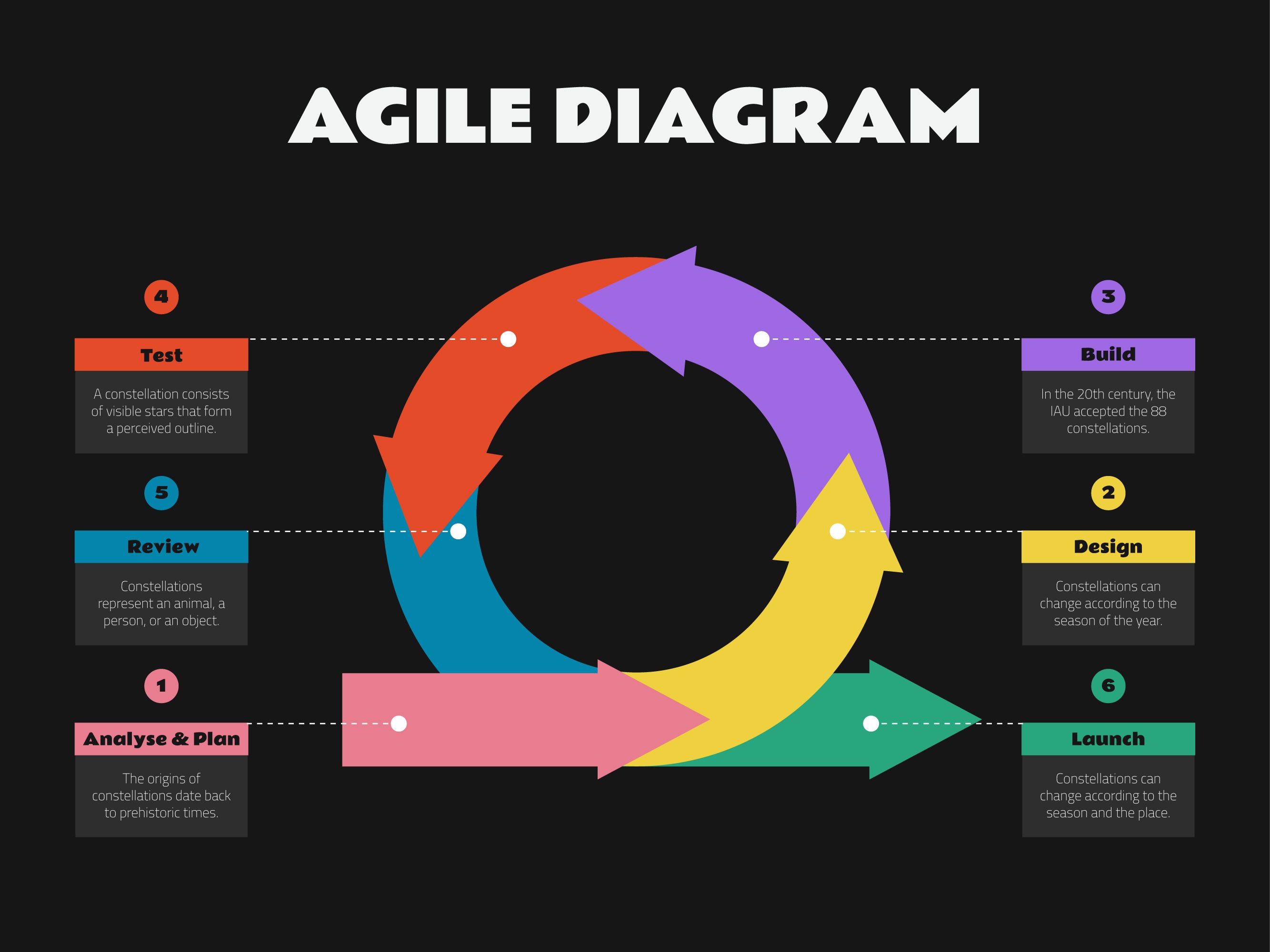
Recommended Estimation Framework
- Break down the project into smaller, usable features.
- Agree on a shared “Definition of Done” with the client to ensure each feature meets releasable and usable standards.
- Use relative story points to estimate all features, then estimate how many story points can be completed per sprint, considering the “Done” definition. Understanding the project context usually takes 2–3 days.
- Deliver one or two small features early to validate the process.
- Recalculate cost per story point (man-days per story point) and adjust the overall timeline.
- Implement an iterative incremental approach (Scrum) and update story point costs regularly.
- Provide clients with fair, transparent estimates on an ongoing basis.
Fixed Price vs. Time & Materials Contracts
While this method suits Time & Materials contracts well, many clients prefer fixed-price agreements. Agile concepts like “story points” may be unfamiliar or unsuitable terminology. Yoter Up converts story points into absolute figures like man-days. For example, if a five-person team delivers 20 story points in two weeks, the cost per story point equals 2.5 man-days. A backlog with 200 story points equates to approximately 500 man-days, providing a solid basis for pricing.
Managing Initial Estimation Mistakes
Initial estimate errors are unavoidable, but clients often expect adherence to contract terms and deadlines. Yoter Up suggests:
- Assigning a Product Owner from the client side to manage priorities and adapt requirements as needed.
- Regularly delivering releasable software increments to allow progress inspection and enable scope, budget, or timeline adjustments.
- Using MoSCoW prioritization (Must, Should, Could, Would) to allocate no less than 30% of requirements to flexible categories, simplifying renegotiations.
- Maintaining a transparent release roadmap that reflects planned deliverables and evolving priorities, fostering trust and collaboration.
How to Decompose Specifications
Proper requirement decomposition is critical for accurate estimates. Vertically sliced features with clear business value help the team produce usable, releasable increments frequently. This approach enables clients to evaluate progress mid-project and provide feedback. Following Agile principles, Yoter Up prioritizes customer collaboration over contract rigidity. Effective frameworks such as INVEST criteria and user story splitting patterns assist in decomposition.
Handling Limited Requirement Details and Team Velocity
When backlog items lack detail, Yoter Up’s development team agrees on assumptions for estimation and communicates possible changes upfront. Reliable estimates encompass not only development but also testing, automation, integration, documentation, and related tasks to ensure sustainable delivery. High-quality engineering standards are incorporated into the “Definition of Done” and guide sprint planning. The delivered increments must be releasable, usable, and defect-free. Practices like code reviews, unit testing, continuous integration, deployment automation, and functional test automation ensure built-in quality and stable velocity.
Choosing the Right Methodology
Selecting an appropriate methodology is essential. Yoter Up advocates for Scrum, which provides empirical estimation, transparency, and strong community support. Scrum’s framework enables continuous refinement of estimates and promotes successful Agile project delivery.