
blog.catalog.posts.19.header

The visionary concept of a fully decentralized and highly efficient financial market—enabled by digital trading and settlement technologies—serves as a transformative beacon for the financial services sector. As adoption rates accelerate globally and digital assets attract increasing regulatory scrutiny and legal frameworks evolve, it’s evident that this paradigm shift has climbed to the top of corporate agendas, setting the stage for broader acceptance of decentralized finance models.
However, despite this progressive momentum, a critical question remains: as digital trading adoption expands rapidly, will the industry reach a tipping point for full decentralization, or will acceptance stall at a crucial gap? Avoiding the paradox where decentralization can only succeed through widespread use of centralized digital assets is essential. True progress requires an integrated coexistence of decentralized and traditional financial markets working in harmony.
Achieving this balance demands willingness among market participants to adapt existing conventions and systems safely and effectively—a challenge that must be met strategically.
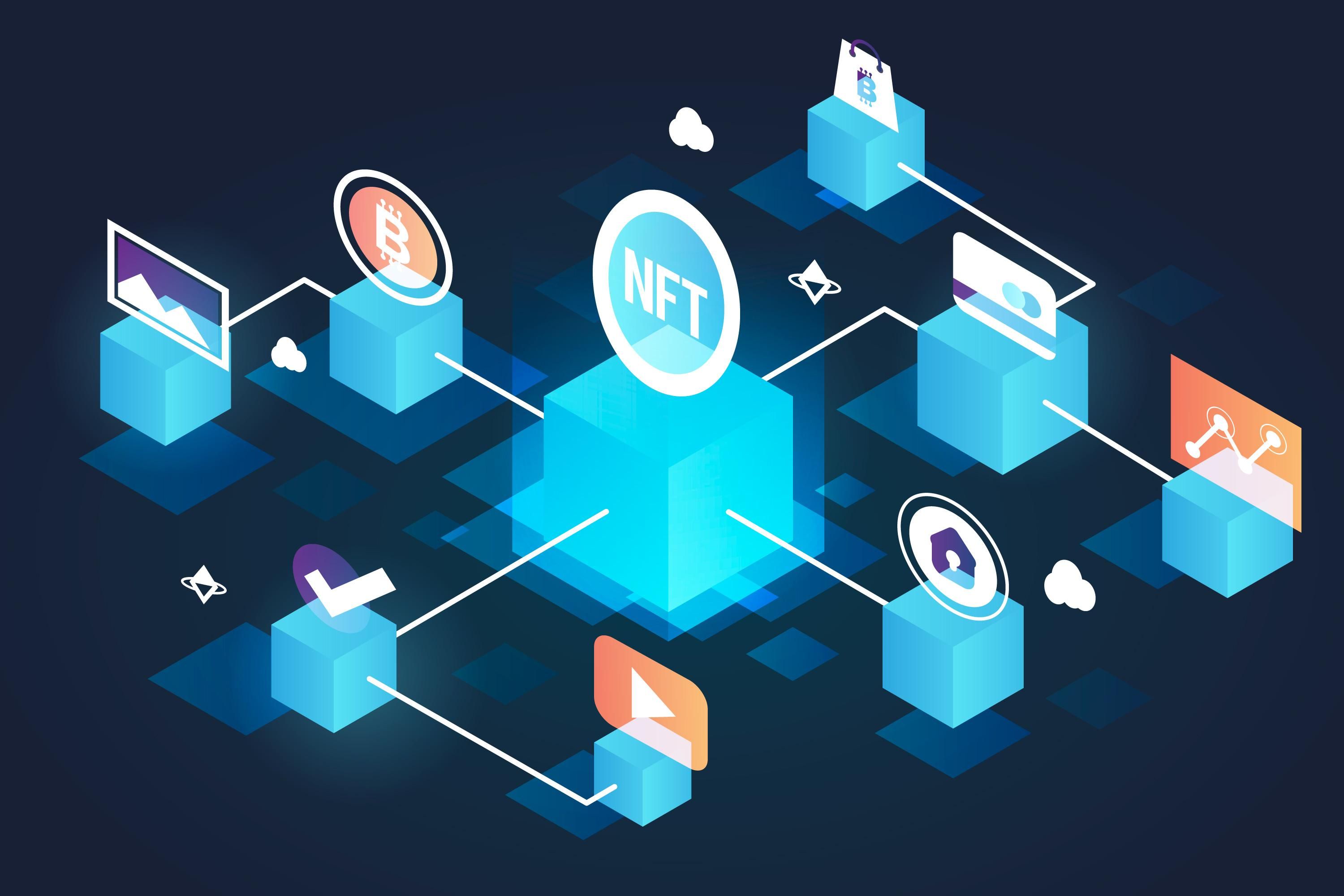
Simplify, Cut Costs, Differentiate
Financial institutions today are on a journey to enhance operational efficiency by simplifying and reducing costs across their technology landscapes. Key components of this transformation include:
- Big Data Mapping: Analyzing internal data ecosystems and trading networks to identify areas for differentiation while streamlining non-essential processes.
- AI and Machine Learning Optimization: Leveraging advanced algorithms to improve trading, settlement, and risk management, minimizing reliance on manual interventions.
- Blockchain Adoption: Utilizing blockchain technology to enhance transaction transparency, state management, and reconciliation across both public and private trading platforms.
- Cloud Migration: Continuing the transition of complex computational workloads and infrastructure to cloud environments to maximize cost efficiency and scalability.
- Centralized Cybersecurity Enhancements: Strengthening threat detection and response as part of evolving security strategies in parallel with cloud and technology consolidation efforts.
It is crucial for institutions to execute these initiatives in a deliberate sequence to ensure systems are integrated, optimized, and secure. Missteps—such as hastily migrating real-time mission-critical systems—can lead to inefficiencies, wasted resources, and minimal financial benefit.
Balancing Competing Priorities
Financial firms face three intertwined imperatives:
- Simplifying technology estates to achieve cost efficiency
- Safely entering initial phases of digital trading
- Preparing for expansive digital growth in line with evolving regulations and legal frameworks
Due to the interconnected nature of these priorities, institutions often need to implement hybrid solutions concurrently, rather than sequentially, to maintain momentum across all fronts.
Optimization, Reduced Friction, and the Importance of Trust
Cryptocurrencies have been instrumental in demonstrating the advantages of frictionless digital markets, providing foundational use cases that inform the development of initial regulatory and legal standards.
Unlike traditional physical currencies—requiring printing, handling, and complex issuance procedures—digital currencies inherently eliminate these inefficiencies. Additionally, the electronic nature of balances and the reduced need for physical documentation in digital asset custody present significant operational improvements.
Yet, widespread adoption depends on market confidence in trust and custody mechanisms. Despite the seamless nature of global cryptocurrencies, challenges remain around legal enforcement, monetary policy alignment, and regulatory compliance. Recent incidents of cryptocurrency theft underscore the ongoing necessity of robust safeguards.
Developing strong custody services integrated with traditional market settlement processes is vital. Since digital assets often serve as settlement and collateral instruments themselves, institutions require hybrid settlement solutions that bridge digital and conventional market infrastructures seamlessly.
Central Bank Digital Currencies (CBDCs): Driving Momentum
Bitcoin’s emergence in 2009 as a decentralized currency challenged traditional monetary systems. Now, many governments are exploring their own digital "stablecoins"—central bank digital currencies (CBDCs).
By linking central banks, commercial banks, and consumers through regulated digital currencies, CBDCs are expected to bolster market confidence, ensure frictionless collateral transactions, and catalyze growth in digital instrument issuance and trading volumes.
Growth in Digital Market Assets
While cryptocurrencies dominate digital asset discussions, issuance of bonds, equities, and notes in digital form is rapidly increasing. These assets serve as collateral in both traditional and decentralized trading markets, supported by advancing legal and regulatory frameworks.
Establishing reliable digital currency settlement processes is the foundational step. Early adoption of hybrid settlement models—combining traditional fiat and digital cryptocurrency transactions—will pave the way for broader digital issuance and integration into existing workflows.
Identifying the Tipping Point for Decentralized Finance (DeFi)
The progression towards decentralized finance hinges on several critical factors:
- Development of hybrid, seamlessly integrated settlement workflows
- Emergence of strong, global digital custody solutions
- Expansion of digital issuance across equities, bonds, and notes supported by global regulatory acceptance
- Growth of stablecoins that enhance market stability and global acceptance
At Yoter Up, we understand the complexity and strategic importance of bridging centralized and decentralized finance. By delivering innovative IT solutions tailored to financial institutions, we empower our clients to navigate this transition securely, efficiently, and with foresight—building the future of finance today.